The Transformative Power of Modern Metal Art in Real Estate Development
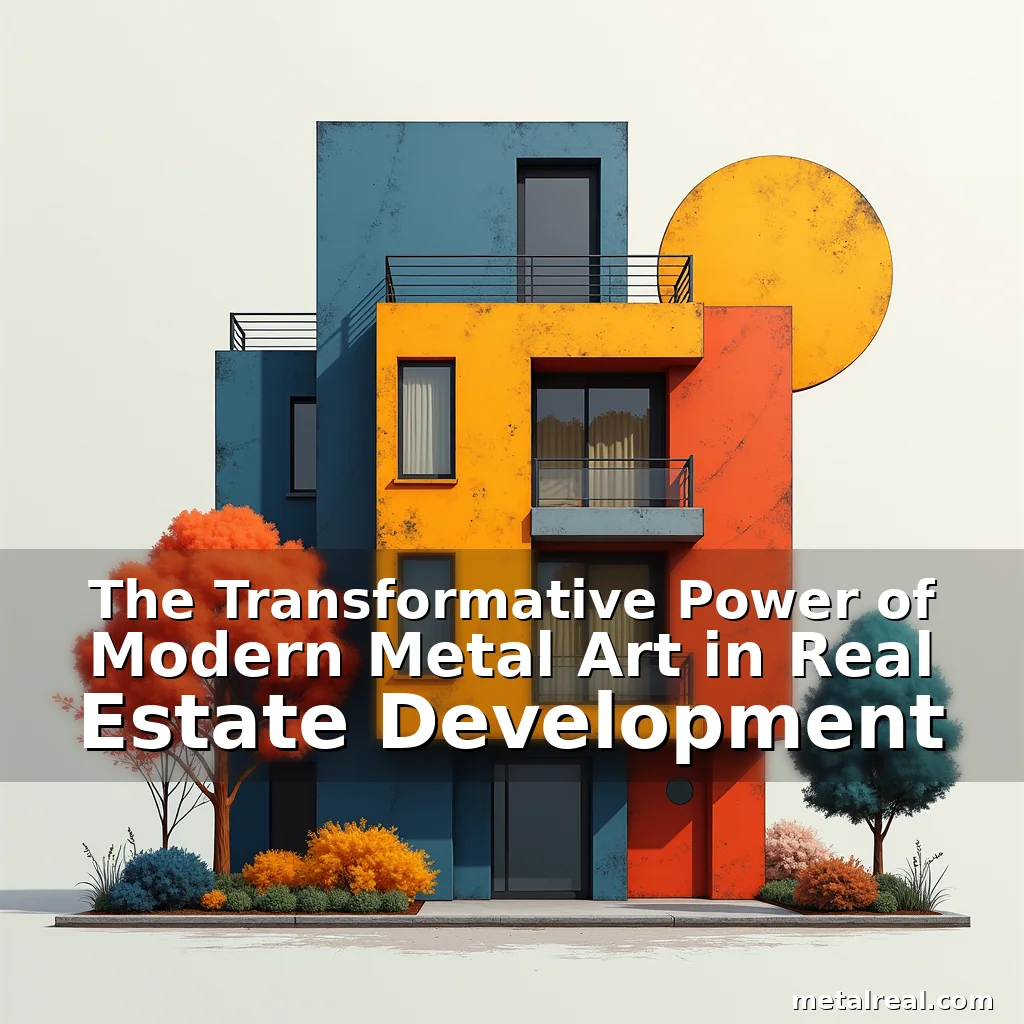
In an era where architectural innovation meets artistic expression, modern metal art has emerged as a defining feature that elevates both commercial and residential properties. This dynamic fusion of form and function is reshaping how developers, architects, and interior designers approach space creation.
For real estate professionals and property investors, understanding the strategic value of integrating modern metal installations can unlock new dimensions of market appeal and long-term investment potential. These artworks are not merely decorative elements but powerful tools that enhance spatial experiences.
Redefining Aesthetic Value Through Industrial Materials
Metal art has evolved from utilitarian objects to sophisticated design statements that command attention in high-end developments. The transformation of raw materials like steel, aluminum, and copper into sculptural masterpieces represents a paradigm shift in contemporary architecture.
Craftsmen now employ advanced fabrication techniques such as laser cutting, plasma engraving, and CNC machining to create intricate patterns and textures. These processes allow artists to achieve precision while maintaining the organic feel of handcrafted pieces.
- Material Versatility: Metals offer unparalleled adaptability, enabling artists to experiment with reflective surfaces, weight distribution, and structural integrity simultaneously
- Eco-Friendly Options: Recycled metals provide sustainable alternatives without compromising visual impact or durability
Developers who incorporate these artistic installations often see increased interest from buyers seeking distinctive living environments. In luxury residences, custom-designed metal features become signature selling points that differentiate projects from competitors.
The use of industrial materials challenges traditional notions of beauty by celebrating imperfections and natural patinas formed through oxidation. This authenticity resonates strongly with today’s discerning clientele.
Enhancing Property Value Through Strategic Placement
A well-placed piece of modern metal art can significantly boost a property’s perceived value and desirability. Unlike conventional decor, these installations serve dual purposes as both aesthetic enhancements and functional elements.
Entryway sculptures, for instance, make strong first impressions while providing practical wind barriers or privacy screens. Interior applications range from statement wall panels to custom light fixtures that integrate seamlessly with smart home systems.
Data-Driven Insights on Investment Returns
According to a 2023 study by the International Association of Architectural Artists, properties featuring original metal artwork experienced a 19% increase in resale value compared to similar units without such features. This data underscores the financial benefits of thoughtful artistic integration.
Further analysis revealed that luxury condos incorporating at least three distinct metal art components saw average rent premiums of $850/month over market rate. Such figures demonstrate the tangible returns on creative investments.
Investors who prioritize experiential spaces understand that these installations contribute to higher tenant retention rates. Tenants appreciate the uniqueness and quality associated with curated artistic environments.
Commercial properties benefit similarly from strategically placed metal art. Office buildings with public art installations reported improved employee satisfaction scores and reduced turnover rates by up to 32%, according to workplace analytics firm Spacescope Research.
Creating Unique Selling Propositions With Custom Installations
Custom metal art allows developers to craft exclusive identities for their properties that cannot be replicated elsewhere. From building facades to lobby entrances, bespoke designs become instant brand identifiers.
Collaborating with established artists offers opportunities for cross-promotion and media exposure. When renowned creators work on site-specific commissions, they generate buzz that translates into greater visibility for the development project itself.
These partnerships also enable developers to tap into niche markets. For example, a sculpture by an emerging contemporary artist might attract young professionals looking for avant-garde living environments.
Custom installations can be tailored to reflect local culture or historical significance, creating deeper emotional connections between residents and their surroundings. This cultural resonance enhances community engagement and social cohesion within neighborhoods.
Integrating Technology With Metallic Surfaces
The convergence of technology and metal art opens exciting possibilities for interactive installations that respond to environmental conditions. Smart sensors embedded in metallic structures can activate lighting sequences based on ambient temperature or occupancy levels.
LED-integrated panels offer endless customization options, allowing for dynamic color changes that align with seasonal themes or special events. Some installations even utilize motion detection to create responsive art experiences that evolve with viewer interaction.
This technological infusion transforms static displays into immersive environments. Residential communities with interactive metal installations report increased resident participation in communal activities and neighborhood events.
Commercial developers leverage these capabilities to create memorable brand experiences. Retail spaces with kinetic metal art installations have seen measurable increases in foot traffic and customer dwell time metrics.
Sustainability Considerations in Contemporary Metal Art
As environmental consciousness becomes increasingly vital in real estate, sustainable practices in metal art production present significant advantages. Responsible sourcing and eco-conscious manufacturing methods align perfectly with green building certifications.
Recycling programs for scrap metal reduce waste while preserving the material’s inherent strength and versatility. Developers who emphasize sustainability in their art choices often gain preferential treatment during certification processes like LEED or BREEAM evaluations.
Some innovative studios specialize in repurposing obsolete infrastructure components—such as decommissioned railway tracks or vintage machinery parts—into stunning contemporary installations. This practice supports circular economy principles while minimizing resource extraction.
The energy efficiency gains from using conductive metals in HVAC systems further amplify the sustainability benefits. Properly integrated metal components can optimize thermal regulation in buildings, reducing overall energy consumption requirements.
Navigating Design Challenges in Metal Art Integration
While the rewards of incorporating metal art are substantial, several technical considerations require careful planning. Structural engineers must assess load-bearing capacities when installing large-scale outdoor sculptures or facade embellishments.
Ventilation needs play a crucial role in indoor installations. Certain metals may react adversely to humidity fluctuations unless properly sealed or coated with protective finishes. Architects need to account for these factors during initial design phases.
Lighting solutions must complement rather than overwhelm the artwork. LED strips positioned behind or beneath metal surfaces can highlight textural nuances without causing glare issues. Strategic placement ensures optimal visibility across different times of day.
Weather resistance remains particularly important for exterior installations. Choosing appropriate alloys and applying corrosion-resistant treatments extends the lifespan of outdoor metal art while maintaining its visual appeal.
Bridging Cultural Divides Through Universal Aesthetics
One of the most compelling aspects of modern metal art is its ability to transcend cultural boundaries. Abstract forms and geometric compositions speak a universal language understood across diverse demographics.
This universality makes metal art especially effective in international developments targeting global audiences. Whether in Dubai skyscrapers or Berlin lofts, appropriately scaled metal installations foster inclusive environments that respect varied tastes and backgrounds.
Certain motifs, however, carry regional associations that developers should consider carefully. While minimalist designs maintain broad appeal, overly symbolic representations risk misinterpretation among non-local populations.
Consulting with multicultural design teams helps ensure sensitivity towards various traditions and values. Thoughtful selection of themes avoids unintentional offense while still delivering impactful visual narratives.
Future Trends Shaping Metal Art in Real Estate
Ongoing advancements in digital fabrication technologies promise to revolutionize how metal art is conceptualized and produced. Additive manufacturing techniques now allow for complex geometries previously considered impractical or prohibitively expensive.
The rise of augmented reality interfaces enables virtual previews of proposed installations before physical implementation. Clients can experience how different artworks would look within specific spaces using AR-enabled devices.
Sustainable innovations continue to drive progress in this field. Researchers are developing biodegradable coatings for metals that maintain their structural integrity while reducing long-term environmental impacts.
As artificial intelligence integrates with design software, we’re witnessing the emergence of algorithmically generated metal art patterns that respond dynamically to environmental stimuli. These intelligent installations represent the next frontier in adaptive architecture.
Conclusion
Modern metal art stands as a transformative force in contemporary real estate, offering multifaceted benefits that extend beyond mere aesthetics. Its capacity to enhance property value, create unique identities, and promote sustainability positions it as an essential component of forward-thinking developments.
Real estate professionals and investors who embrace this medium will find themselves at the forefront of industry evolution. By thoughtfully integrating metal art into their projects, they cultivate spaces that resonate emotionally, economically, and environmentally with today’s discerning marketplace.