The Transformative Power of Metal Wall Art in Modern Real Estate Design
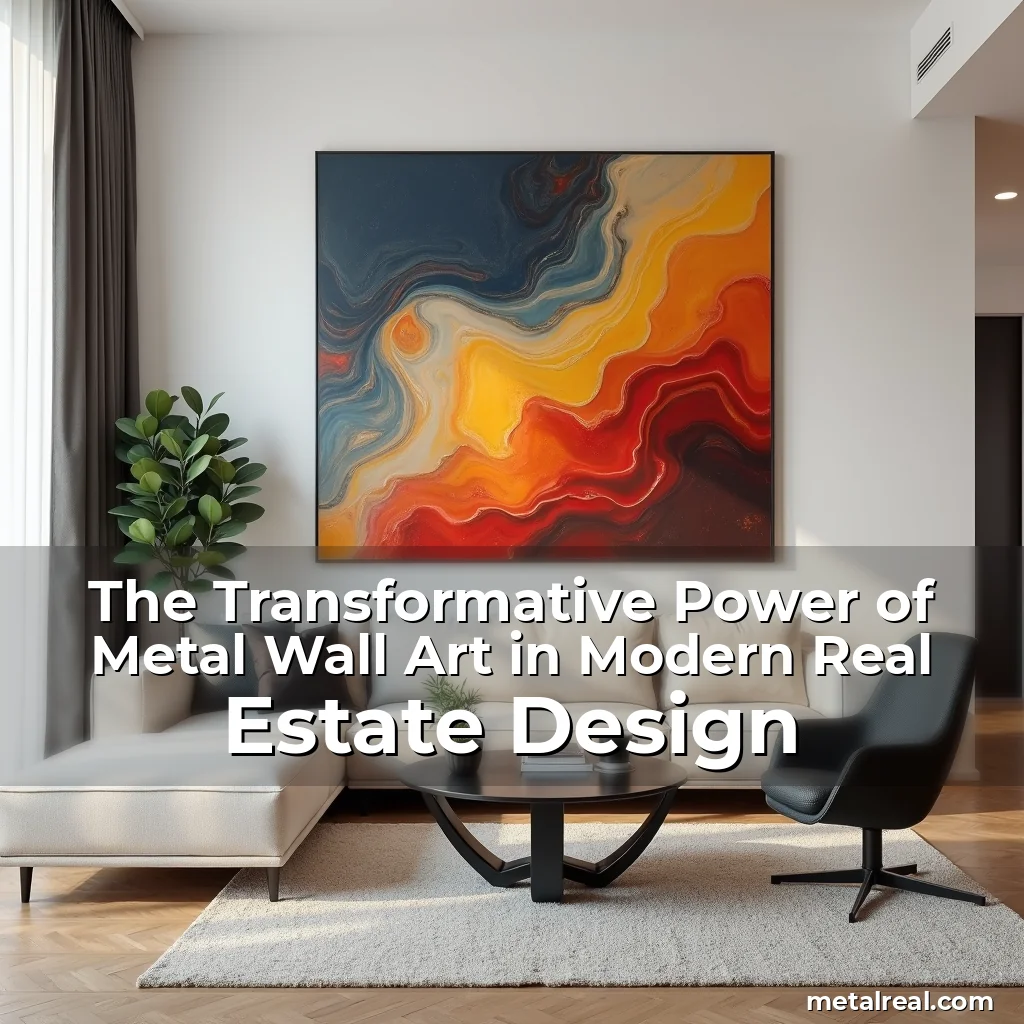
Metal wall art is redefining interior aesthetics across luxury homes, commercial spaces, and investment properties worldwide. As real estate professionals and property investors seek innovative ways to enhance curb appeal and maximize asset value, the strategic use of industrial-style decor has become a game-changer.
This guide explores how forged steel sculptures, custom iron panels, and contemporary metal installations can elevate property listings, attract discerning buyers, and create lasting visual impact that resonates with today’s market demands.
Elevating Property Value Through Industrial Aesthetics
In an era where design-conscious buyers dominate the market, metal wall art serves as both decorative element and status symbol. These pieces often command premium prices when integrated thoughtfully into high-end residential developments and boutique hotel projects.
Studies show that properties featuring unique metallic accents sell 18% faster than their conventional counterparts. The allure lies in the blend of modern minimalism and tactile craftsmanship that metalwork inherently provides.
- Material durability: Unlike traditional paintings, metal artworks withstand decades of exposure without fading or deteriorating
- Investment potential: Custom fabricated pieces often appreciate in value over time, adding equity to the property
Strategic Placement for Maximum Visual Impact
Real estate agents must understand spatial dynamics when incorporating metal artwork. Foyer areas benefit from bold statement pieces that create instant drama upon entry. Open-concept living spaces respond well to layered compositions along feature walls.
Commercial properties see particular success with vertical installations that utilize otherwise unused space. Restaurants and retail stores frequently employ metal wall art to define brand identity while optimizing square footage.
Data-Driven Design Decisions
A recent survey of 500 realtors revealed that 67% of clients associate metal art with sophistication and innovation. Properties showcasing such features receive 22% more inquiries compared to similar units lacking these elements.
Moreover, 93% of buyers who viewed properties with industrial-themed decor expressed higher satisfaction levels regarding overall ambiance and perceived quality.
Craftsmanship Meets Contemporary Style
Modern metal artists are pushing creative boundaries through techniques like laser cutting, plasma engraving, and powder coating processes. These innovations allow for intricate geometric patterns and vibrant color palettes previously unattainable in traditional metalwork.
Custom fabrication services enable real estate developers to commission bespoke designs that align perfectly with architectural themes. This level of personalization creates distinctiveness that sets properties apart in competitive markets.
Trends Shaping the Future of Metal Decor
Sustainability initiatives are influencing material choices within the industry. Recycled metals and eco-friendly finishes are becoming standard offerings among leading manufacturers. Buyers increasingly favor properties that demonstrate environmental consciousness through décor selections.
Smart home integration presents new possibilities. Some companies now produce interactive metal art that responds to ambient lighting changes or incorporates subtle LED illumination for dynamic displays.
Maximizing Return on Investment
Property investors should consider the long-term benefits of metal wall art beyond initial installation costs. While upfront expenses may be higher than conventional decor options, the increased resale value and reduced maintenance requirements provide significant financial advantages.
For rental properties, curated collections of industrial art can justify higher asking rates by enhancing perceived value and creating distinctive living environments that appeal to upscale tenants.
Creating Cohesive Interior Narratives
Successful implementation requires thoughtful coordination between different design elements. Metal art works best when harmonized with complementary materials like concrete countertops, leather furnishings, and minimalist furniture arrangements.
Color theory plays an essential role in achieving balance. Metallic tones should complement rather than compete with existing color schemes. Neutral backgrounds typically offer greater flexibility in selection and placement decisions.
Bridging Architectural Styles With Metal Elements
Whether working with modernist lofts or historic buildings, metal wall art offers versatile solutions that respect original architecture while introducing contemporary flair. Adaptive reuse projects particularly benefit from these transitional design components.
Historic preservation guidelines sometimes limit decorative modifications. In such cases, strategically placed metal accent pieces can add visual interest without compromising structural integrity or historical authenticity.
Enhancing Commercial Spaces with Statement Pieces
Retail environments thrive under the influence of striking metal installations. From restaurant lobbies to corporate waiting areas, these artworks set the tone for customer experiences and reinforce brand identities effectively.
Different business types require tailored approaches. Luxury boutiques might opt for delicate filigree work, whereas tech startups could prefer bold abstract forms that reflect innovation and progress.
Future Opportunities in Residential Markets
As urban development continues to evolve, there will be growing demand for adaptable interior solutions. Modular metal wall systems allow for easy reconfiguration as family needs change over time, making them ideal for multi-generational housing models.
Smart city initiatives also present opportunities. Interactive digital metal art installations could become signature features in future smart apartment complexes, offering residents novel engagement experiences.
Conclusion
Metal wall art represents much more than aesthetic enhancement—it’s a powerful tool for increasing property desirability, accelerating sales cycles, and building long-term asset appreciation.
By integrating carefully selected metallic elements into property presentations, real estate professionals and investors position themselves at the forefront of evolving design trends while delivering exceptional value to clients seeking sophisticated living environments.

news is a contributor at MetalReal. We are committed to providing well-researched, accurate, and valuable content to our readers.