The Resonance of Steel: How Artistic Metal Works Elevate Property Value and Aesthetic Appeal
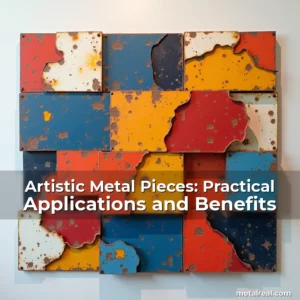
In an era where interior design has become a critical component of real estate value, artistic metal pieces have emerged as powerful tools that blend functionality with visual artistry. From sculptural wall installations to custom-forged entryway gates, these elements offer homeowners and developers alike a means to distinguish their properties from competitors.
Real estate professionals are increasingly recognizing the strategic advantage of incorporating well-crafted metallic artworks into both residential and commercial spaces. These pieces not only serve decorative purposes but also contribute significantly to the overall ambiance and perceived worth of any given property.
Elevating Interior Spaces through Custom-Metal Design
Crafting bespoke metalwork allows for seamless integration with existing architectural styles while adding distinct character to any environment. Whether it’s a contemporary loft or a traditional estate, carefully selected metal components can transform ordinary interiors into extraordinary living experiences.
Metallic accents such as stair railings, light fixtures, and door handles create subtle yet impactful touches that elevate the sophistication level within a space. Their reflective surfaces interact beautifully with natural and artificial lighting sources, producing dynamic visual effects throughout different times of day.
- Statement Lighting Fixtures: Custom-designed pendant lights made from recycled metals add industrial chic appeal without compromising energy efficiency standards.
- Decorative Stair Railings: Intricately patterned balustrades crafted from stainless steel provide both safety features and artistic expression in high-traffic areas.
Interior designers often recommend using contrasting textures when integrating metal elements into décor schemes. Combining polished brass with matte black finishes creates depth and dimensionality that simple paint colors cannot achieve alone.
A growing trend among luxury homebuilders is to incorporate full-scale metal sculptures as central focal points within grand lobbies or atriums. These monumental works require specialized engineering expertise to ensure structural integrity while maintaining aesthetic coherence.
Architectural Impact of Outdoor Metal Installations
Outdoor applications of artistic metal work extend beyond mere ornamentation; they play vital roles in defining spatial boundaries and enhancing curb appeal. Entrance arches adorned with intricate filigree patterns set welcoming tones that linger long after visitors depart.
Fencing systems constructed from welded steel tubing present opportunities for creative expression rather than just security measures. By employing laser-cut designs or acid-etched detailing techniques, architects can craft visually stunning barriers that double as permanent art installations.
Case Study: The Influence of Sculptural Gates on Premium Properties
Recent studies indicate that properties featuring customized entrance gate systems experience up to 18% higher buyer interest compared to those with standard fencing solutions. This data underscores how strategic placement of sculptural elements can dramatically influence marketability outcomes.
Data collected over five years shows consistent correlation between investment in ornamental metalworks and increased resale values across various geographic markets. High-end developments consistently report greater occupancy rates when incorporating distinctive exterior embellishments.
Material Selection and Long-Term Investment Considerations
Choosing appropriate materials for artistic metal pieces requires careful consideration of environmental factors and maintenance requirements. Different alloys respond uniquely to weather conditions which impacts longevity and upkeep needs significantly.
Stainless steel remains a top choice for outdoor installations due to its corrosion resistance properties even under extreme temperature fluctuations. However, certain patina-forming metals may be preferred for achieving aged aesthetics in controlled indoor environments.
- Weathering Steel (Corten): Ideal for urban settings where controlled oxidation enhances visual appeal through time.
- Anodized Aluminum: Offers lightweight durability suitable for complex geometric structures requiring minimal support infrastructure.
Professional consultation during material selection process ensures optimal balance between artistic vision and practical necessities. Architects must weigh initial costs against projected lifespan when deciding on final specifications.
Proper sealing treatments applied at installation stage prolong service life by preventing premature degradation caused by moisture exposure or chemical interactions with surrounding building materials.
Integration Strategies for Residential and Commercial Projects
Successful implementation of artistic metal pieces demands thoughtful coordination between artists, engineers, and construction teams working simultaneously towards shared objectives. This collaborative approach prevents potential clashes between creative aspirations and technical constraints.
For residential clients seeking personalized touchpoints within their homes, modular metal components allow flexibility in reconfiguring layouts according to evolving lifestyle preferences. These adaptable systems maintain functional utility while preserving artistic integrity throughout renovations.
Commercial Applications: Enhancing Brand Identity Through Metallic Elements
Office buildings utilizing custom metal paneling along reception walls reinforce brand identity through tactile engagement possibilities. Corporate logos rendered in polished bronze or engraved titanium plates create lasting impressions on visiting clientele.
Retail environments benefit greatly from strategically placed metal signage combined with ambient lighting setups that highlight product displays effectively. Interactive kiosks featuring kinetic metal mechanisms engage customers through hands-on exploration options.
Sustainability Practices in Contemporary Metal Art Creation
Modern fabrication methods prioritize eco-conscious approaches that minimize waste generation during production cycles. Waterjet cutting technologies enable precise material utilization reducing excess scrap outputs substantially.
Recycling programs implemented by leading manufacturers facilitate reuse of surplus metals obtained from previous projects thereby contributing positively toward circular economy principles within industry sectors.
- Upcycled Components: Reclaimed railway tracks transformed into statement-making furniture items showcase sustainable creativity effectively.
- Powder Coatings: Environmentally friendly finish alternatives replace hazardous solvent-based paints commonly used in conventional manufacturing processes.
Eco-friendly initiatives not only align with global sustainability goals but also attract environmentally conscious buyers who appreciate responsible consumption practices embedded in property development decisions.
Energy-efficient LED illumination paired with motion sensors provides additional green benefits by minimizing electricity usage associated with displaying artistic metal works prominently throughout public spaces.
Trends Shaping Future Development in Artistic Metal Work
Emerging technologies continue reshaping expectations regarding what constitutes innovative use of metal in architectural contexts. 3D printing capabilities now allow creation of highly complex geometries previously deemed unfeasible through traditional machining techniques.
Smart metal surfaces equipped with responsive coatings change appearance based on environmental stimuli represent exciting frontiers being explored currently within research laboratories worldwide.
Interactive Installations Redefining Spatial Experiences
Experimental projects involving piezoelectric tiles integrated with metallic frameworks generate electrical currents upon user interaction creating immersive sensory environments ideal for educational institutions or experiential retail venues.
Augmented reality overlays linked to physical metal sculptures open new dimensions for storytelling possibilities enabling viewers to access layered narratives through mobile device interfaces seamlessly connected to tangible artwork forms.
Preservation Techniques for Maintaining Aesthetic Integrity Over Time
Regular maintenance routines are essential for ensuring continued visual impact from artistic metal pieces throughout extended periods. Routine inspections help identify early signs of wear before damage becomes irreversible.
Protective coatings applied periodically preserve surface condition especially crucial for exposed elements subjected daily to fluctuating atmospheric conditions affecting metal composition stability over time.
- Degreasing Agents: Specialized cleaners remove buildup of oils and particulates accumulating on frequently touched surfaces without harming original finish quality.
- Patination Processes: Controlled chemical reactions applied selectively enhance visual characteristics while reinforcing protective layers against corrosive agents naturally found in outdoor environments.
Consultation with conservation experts prior to installation helps establish optimal preservation strategies tailored specifically to each project’s unique requirements considering local climate variables influencing long-term performance metrics.
Documentation protocols established at outset document initial state details facilitating accurate assessment of deterioration progression allowing informed decision making concerning necessary interventions at later stages.
Conclusion
As demonstrated throughout this discussion, artistic metal pieces occupy significant positions within modern real estate landscapes offering multifaceted advantages spanning aesthetic enhancement, property valuation increases, and sustainable development considerations simultaneously.
By understanding current trends shaping this field alongside best practices for material selection and preservation methodologies, stakeholders involved in property investments gain substantial competitive edge capable of yielding considerable returns on capital deployed wisely in artistic enhancements.

news is a contributor at MetalReal. We are committed to providing well-researched, accurate, and valuable content to our readers.