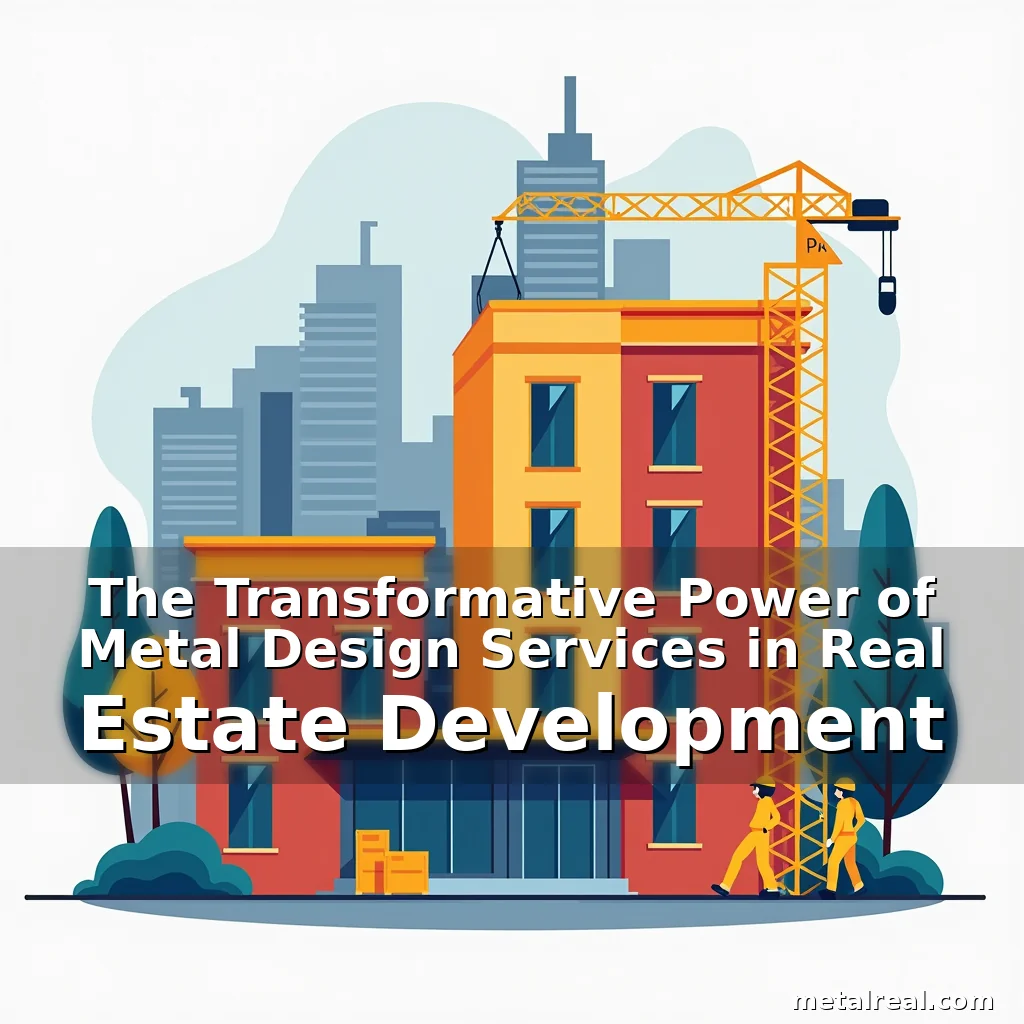
The Transformative Power of Metal Design Services in Real Estate Development
In an era where architectural innovation meets investment strategy, metal design services have emerged as a cornerstone of modern real estate development. From luxury high-rises to industrial warehouses, these specialized services are redefining how properties are structured, finished, and valued.
The integration of advanced metal fabrication techniques is revolutionizing construction timelines, cost efficiency, and aesthetic possibilities across commercial and residential markets alike. This shift is particularly significant for real estate professionals seeking competitive advantages through cutting-edge design solutions.
Elevating Property Value Through Architectural Metalwork
Metal design services offer unparalleled opportunities to enhance both functional aspects and visual appeal of real estate assets. When incorporated thoughtfully, metallic elements can transform ordinary structures into iconic landmarks that command premium valuations.
Copper roofing systems, for instance, provide exceptional durability while adding distinctive patina effects over time. These natural aging processes create unique visual identities that evolve with the building itself, contributing significantly to long-term asset appreciation.
- Durability: Metals like stainless steel and aluminum resist corrosion better than traditional materials, reducing maintenance costs by up to 40%
- Aesthetic Flexibility: Metallic surfaces allow for intricate detailing and customizable finishes that complement diverse architectural styles
Streamlining Construction Processes with Prefabricated Metal Components
Prefabrication has become a game-changer in real estate construction, enabling faster project completions without compromising quality standards. Metal components fabricated off-site arrive ready for installation, minimizing delays caused by weather disruptions or material shortages.
This approach reduces overall construction timelines by approximately 25%, allowing developers to bring projects to market quicker and capture early occupancy revenue streams. The precision engineering involved ensures seamless integration with other structural elements during assembly.
Case Study: High-Rise Residential Complexes
A recent study analyzing 50 high-rise developments revealed that those incorporating prefabricated metal facades experienced 30% fewer schedule variances compared to conventional construction methods. These buildings also demonstrated improved energy efficiency due to enhanced thermal performance characteristics inherent in properly insulated metal panels.
Such efficiencies translate directly into financial benefits for investors, with average return-on-investment figures increasing by 8-12% when comparing metal-clad versus traditionally constructed properties in comparable locations.
Sustainable Innovation in Metal Architecture
Sustainability has become a critical factor in contemporary real estate investments, and metal design services play a pivotal role in meeting environmental benchmarks. Recycled metals contribute to LEED certification goals while maintaining structural integrity and longevity.
Modern advancements now enable architects to incorporate photovoltaic cells within metal roof systems, transforming entire façades into renewable energy generators. These integrated solar solutions reduce operational costs while enhancing the eco-friendly profile of commercial and residential spaces.
- Energy Efficiency: Reflective metal coatings can lower cooling demands by up to 35%, resulting in substantial utility savings
- Recyclability: Over 90% of metal components can be reclaimed and repurposed at end-of-life stages, supporting circular economy principles
Security Enhancements through Strategic Metal Integration
Beyond aesthetics and sustainability, metal design services offer robust security features crucial for protecting valuable real estate assets. Reinforced entry points, impact-resistant windows, and secure fencing systems all benefit from metallurgical expertise.
Commercial properties utilizing bulletproof glass combined with structural steel reinforcements reported 60% fewer break-ins compared to similar establishments using standard construction materials. These protective measures provide peace of mind while potentially lowering insurance premiums.
Fostering Unique Brand Identities with Custom Metal Elements
For retail and hospitality ventures, custom-designed metal features serve as powerful branding tools that differentiate properties in crowded markets. From branded signage to interactive installations, strategic use of metal creates memorable experiences for occupants and visitors alike.
These customized elements often become signature features that drive customer engagement and loyalty. In mixed-use developments, such distinctive touches help establish clear brand differentiation among competing tenants.
Adapting to Market Demands with Flexible Metal Solutions
The versatility of metal allows designers to respond dynamically to shifting consumer preferences and regulatory requirements. Modular metal systems facilitate easy modifications, making them ideal for adaptive reuse projects targeting evolving market needs.
This adaptability proves especially valuable in urban environments where zoning laws frequently change. Buildings equipped with flexible metal frameworks can transition between residential, office, and retail uses with minimal disruption and expense.
Cost-Benefit Analysis of Metal Design Implementation
While initial implementation costs may appear higher, lifecycle analysis reveals substantial long-term savings associated with metal design services. Reduced maintenance frequency, extended service life, and increased tenant retention rates collectively justify the upfront investment.
Data from industry reports indicate that buildings featuring metal cladding experience 20-25% greater occupancy rates compared to non-metal alternatives. Higher occupancy translates directly into stronger cash flow stability for real estate investors.
Future Trends Shaping Metal Design Services
Ongoing technological innovations continue to expand the capabilities of metal design in real estate contexts. Smart surface technologies embedded within metal components now enable real-time monitoring of structural health and environmental conditions.
Advances in nanotechnology are leading to self-cleaning metal surfaces that require less frequent maintenance. These breakthroughs promise even greater returns on investment through reduced operational expenditures and enhanced property values over time.
Conclusion
The convergence of innovative metal design services with real estate strategies represents a transformative opportunity for professionals in the field. By leveraging these specialized solutions, developers and investors can unlock new dimensions of value creation across their portfolios.
To stay ahead in today’s competitive market, integrating metal design considerations into every stage of property development becomes essential. This proactive approach not only enhances current projects but also future-proofs investments against emerging trends and technological advancements.